How to tell a great 5-minute story
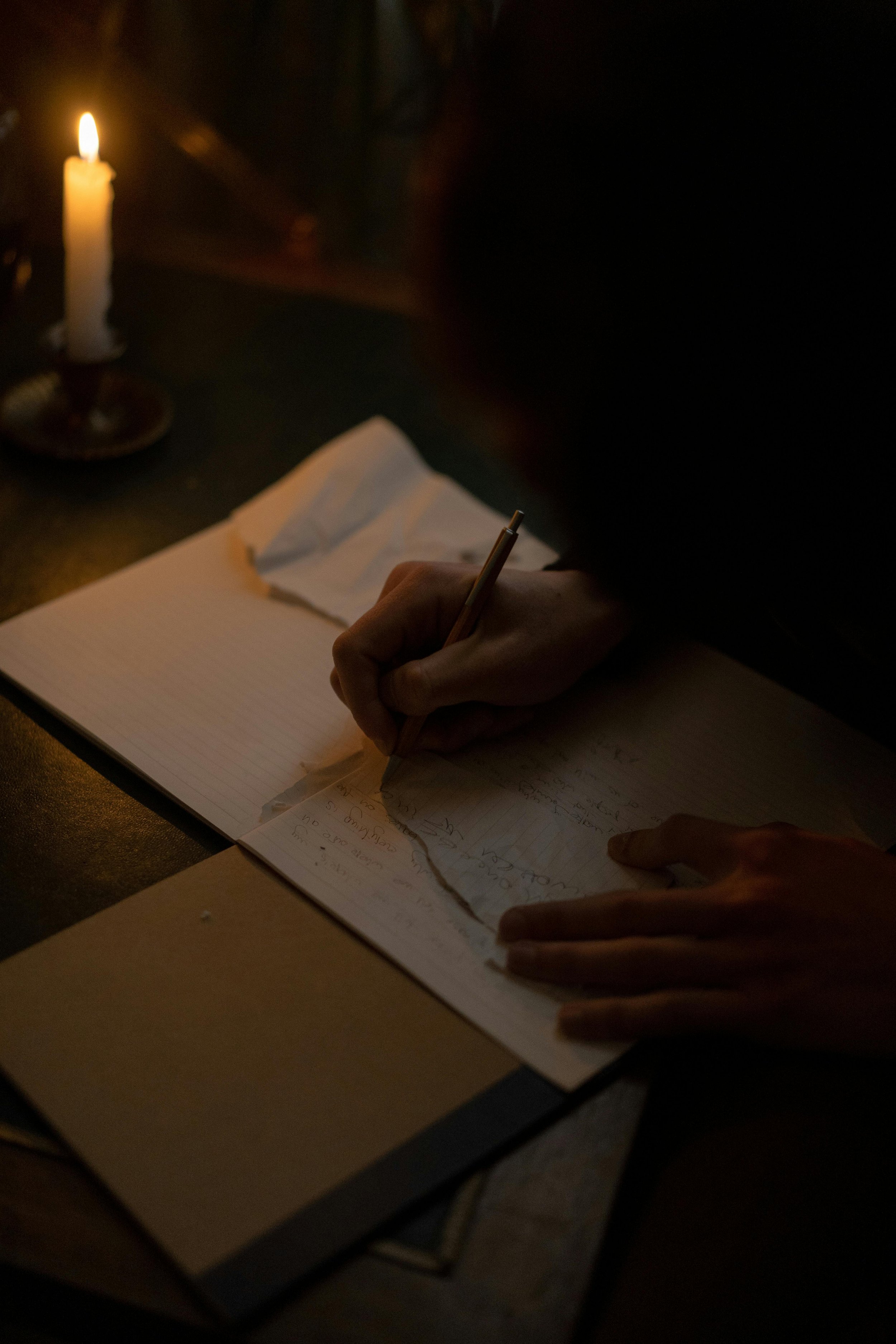
The Art of Story events are designed to be open to all whether you are a seasoned writer or poet or this is your first experience of bravely sharing your words. No experience is required for this hour together. This often means folks have no idea where to start and a few pointers can be helpful as you consider what you want to share.
The following are a few tips that might provide guidance and support the process of telling your 5-minute story.
Start with Action: Hook your audience
Open your story with a moment, a question, a statement that draws us in. Rather than, “I was walking along the trail the other day.” …. Give us an experience like, “The trail shot straight up, looming endlessly like a stairway to nowhere.”
Show Us: Don’t tell us
Paint a picture with words, use descriptive sentences that help your audience imagine the experience of the moment, the feelings, the taste, sound, smell, colors, ad experience of what you are describing.
Make us feel like we are there with you.
Make us feel what you feel.
Rather than, “I was nervous.” Show us by sharing what your body felt, “There was a lump iin my throat, my lip quivered uncontrollably, and I was doing everything in my power to hold back tears.”
Be Authentic: Vulnerability helps us connect
Useing appropriate vulnerability through sharing how a moment made you feel, or what you became aware of in yourself, allows your audience to relate to the humanity in your story.
Use Story Structure: Have a beginning, middle, and end
Start with the hook
Show, with descriptive words, how the world was in this moment, before the turning point
Describe the inciting incident
Explain the conflict that became a turning point. Build tension. What did you have to gain or lose?
Describe the moment of change, the pivotal moment, there was a major shift, maybe circumstance, maybe mindset, maybe self-awareness
Express in detail how you’re different now, what changed, and what made this meaningful?
End Well: Have a concrete conclusion
Know your final ending with clarity. This helps you to know where your story is going as you tell it, and it also provides a clean conclusion for your audience.
Stick to the theme of the night: Have fun!
Use the theme provided to guide your story.
Have a blast!
Keep it clean and family friendly.
We may laugh, we may cry, but the beauty is in the connection and relatability of being humans with unique stories that shape us.
Come tell your story.
The world needs your voice.
Your story matters.
We can’t wait to spend this hour with you.